

Pro Guide: Maintain Climate Control Systems Effectively
Master Climate Control in Tropical Environments
Tropical climates present unique challenges for maintaining indoor comfort without skyrocketing energy costs. High humidity, relentless heat, and frequent rainfall strain climate control systems, leading to reduced efficiency, premature wear, and inconsistent performance if not properly managed. For property owners and facility managers in regions like Nonthaburi and surrounding areas, effective maintenance isn’t optional—it’s essential for both occupant comfort and long-term system reliability.
This guide unpacks actionable strategies for keeping climate control systems operating at peak efficiency, even in the most demanding tropical conditions. You’ll learn how seasonal humidity impacts system performance, the importance of routine inspections to prevent mold and corrosion, and proven techniques to optimize airflow and reduce energy consumption. From understanding refrigerant management in high-heat environments to selecting the right filtration systems for dusty, moist air, each tip is designed to extend equipment life and improve indoor air quality.
By following structured maintenance protocols tailored to tropical settings, you can avoid common pitfalls like coil degradation, drainage blockages, and compressor strain—ensuring cooler, cleaner air with lower operational costs.
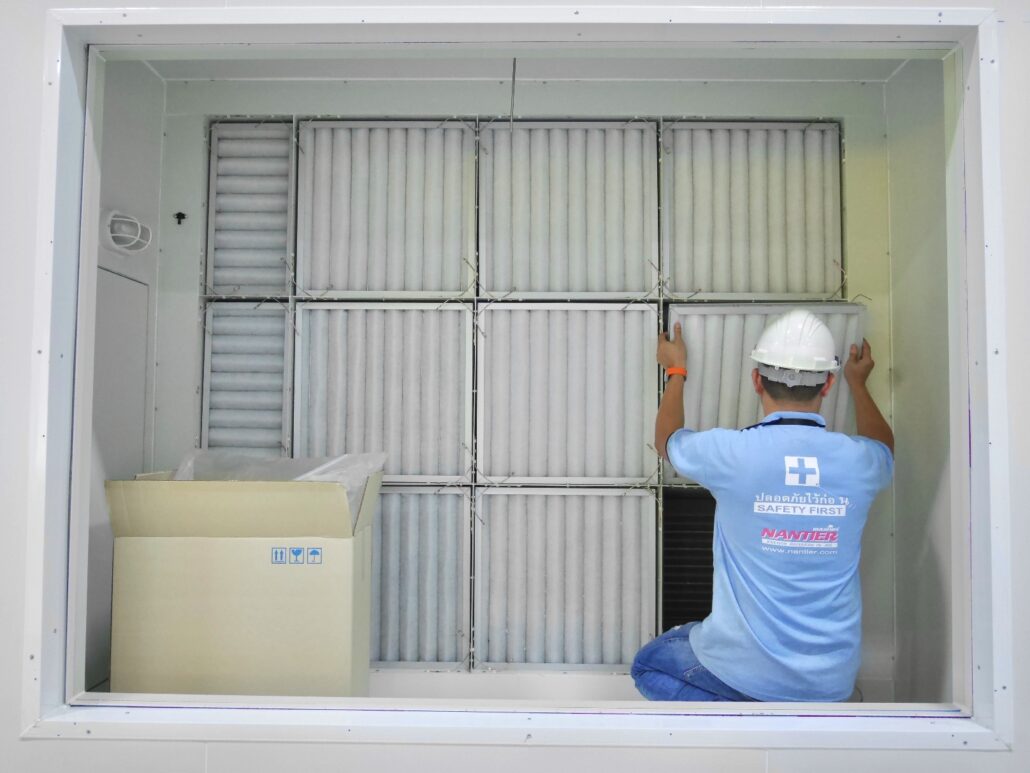
Keep Your System Running Smooth: A Step-by-Step Maintenance Checklist
Regular maintenance of your climate control system isn’t just about efficiency—it’s about extending equipment life and ensuring consistent indoor comfort. Focus on three critical components: filters, coils, and drain systems. Follow this simple, actionable checklist to maintain peak performance, especially in high-humidity areas like Nonthaburi where mold and clogs are common.
- Inspect and Replace Air Filters Check filters every 30 days during peak seasons. If visibly dirty or clogged, replace them immediately. A blocked filter restricts airflow, forcing the system to work harder. Use manufacturer-recommended filter sizes to ensure proper fit and filtration efficiency.
- Clean the Evaporator and Condenser Coils Turn off the unit before starting. Use a soft brush or compressed air to remove debris from coils. For stubborn buildup, apply a no-rinse coil cleaner following product instructions. Dirty coils reduce heat transfer, increasing energy consumption and overheating risks.
- Inspect and Flush the Drain Line Pour a mixture of distilled vinegar and warm water into the access opening of the drain line to prevent algae and mildew. Verify that water flows freely and that the drain pan is free of debris. A clogged drain pan can lead to water damage or system shutdown.
Perform this checklist seasonally—or more often in tropical climates—for reliable, efficient operation.
Master Sensor Calibration for Peak System Efficiency
Accurate sensor readings are the backbone of any high-performing climate control system. Misaligned sensors can cause erratic temperature swings, increased energy consumption, and unnecessary wear on equipment—especially in fluctuating environments like those found across Nonthaburi and surrounding regions. Follow this step-by-step guide to ensure your system’s sensors and controls deliver reliable, efficient performance.
- Isolate and Test Each Sensor Begin by identifying all temperature, humidity, and pressure sensors in the system. Use a calibrated reference device to take simultaneous readings at each sensor location. Compare the system’s reported values to your reference tool. A variance of more than ±0.5°C or ±3% RH typically requires adjustment.
- Perform Zero and Span Calibration For analog sensors, adjust the zero (baseline) and span (range) settings using the control interface or onboard dials. Digital sensors often allow calibration offsets to be input directly. Always power down devices before making physical adjustments to avoid signal interference.
- Update Control Setpoints and Verify Integration Once sensors are calibrated, review your building management system (BMS) thresholds. Ensure setpoints reflect current occupancy patterns and seasonal demands. Test system response by simulating load changes and confirming control logic executes as intended.
Pro Tip: Schedule calibration every 6 months—or quarterly in high-humidity or industrial settings—to maintain accuracy. Clean sensor housings before testing to avoid dust or moisture affecting results.
Smart Scheduling: Maintenance Routines Based on Usage & Climate
Your climate control system works hard, but its needs vary dramatically depending on how much you use it and the environment it operates in. A one-size-fits-all maintenance plan won’t cut it—customizing your schedule based on these key factors ensures peak efficiency and extends system life. Here’s how to adjust your maintenance strategy:
- Monthly Checks for High-Use Commercial Spaces In bustling offices or retail settings, especially in humid coastal areas, systems run longer and accumulate wear faster. Inspect air filters, verify thermostat accuracy, and listen for unusual noises every month to avoid mid-season breakdowns.
- Quarterly Maintenance for Humid or Dusty Climates Regions with high humidity or frequent dust storms require more frequent attention. Schedule professional inspections every three months to clean evaporator coils, check refrigerant levels, and verify drainage lines aren’t clogged—common issues in tropical and arid zones.
- Biannual Tune-Ups for Moderate Residential Use If you’re in a temperate zone with balanced seasons, spring and fall inspections are ideal. A qualified technician should test system pressure, inspect electrical components, and calibrate controls to ensure smooth transitions between heating and cooling months.
- Annual Service for Light-Use or Mild Climate Zones Homes or buildings in stable, mild climates with minimal runtime can often manage with one thorough annual checkup. Focus on safety tests, duct inspections, and airflow optimization before the primary cooling season begins.
- Post-Extreme Weather Inspections After heatwaves, storms, or prolonged system overuse, schedule an immediate evaluation. Components like compressors and capacitors are more prone to failure under stress—early detection prevents costly repairs.
Spot System Issues Early: Prevent Costly Downtime Before It Starts
Catching climate control system problems early isn’t just about comfort—it’s about avoiding unexpected breakdowns, especially during peak cooling or heating seasons in high-humidity areas like Nonthaburi. By monitoring for warning signs, property managers and facility operators can schedule proactive maintenance and sidestep expensive emergency repairs.
Watch for these key red flags:
- Unusual noises such as grinding, rattling, or squealing from indoor or outdoor units
- Inconsistent temperatures across zones, indicating airflow blockages or refrigerant imbalances
- Frequent short cycling, where the system turns on and off rapidly, often tied to thermostat issues or overheating
- Visible moisture or ice buildup on pipes or coils, signaling refrigerant leaks or poor insulation
- Rising energy bills without a clear cause, suggesting declining system efficiency
Address minor issues promptly. Clean or replace clogged air filters monthly in high-use environments, ensure air handlers and condenser units are free of debris, and verify thermostat accuracy. For complex concerns like refrigerant leaks or electrical faults, engage certified HVAC technicians who understand local climate demands.
Regular inspections—especially before rainy or hot seasons—keep systems reliable and extend equipment lifespan across commercial and residential properties.
Common Climate Control Questions in Tropical Climates
How often should I service my climate control system in a humid environment? In tropical regions, where high humidity and constant operation strain HVAC units, a service interval of every 3 to 4 months is recommended. Frequent maintenance prevents mold buildup, refrigerant imbalances, and condensate drain clogs caused by persistent moisture.
Why is my system freezing up despite cool temperatures outside? This often occurs due to restricted airflow from dirty filters or blocked evaporator coils—common in dusty, humid areas. Low refrigerant levels can also cause coil temperatures to drop below freezing. Regular cleaning and refrigerant checks are essential for stable performance.
Can mold in my ductwork affect indoor air quality? Yes. Tropical climates provide ideal conditions for microbial growth. Mold in ducts circulates allergens and musty odors. Prevent this with bi-annual duct inspections and antimicrobial coil treatments during routine maintenance.
What’s causing my energy bills to spike seasonally? Gradual efficiency loss from unclean condenser coils, outdated thermostats, or poor insulation compounds in hot, humid weather. Upgrading to programmable thermostats and scheduling seasonal tune-ups can restore optimal efficiency.
How do I prevent corrosion on outdoor units? Salt-laden air and heavy rainfall accelerate rust. Choose units with corrosion-resistant coatings and elevate installations to avoid water pooling. Rinse condenser coils gently with fresh water quarterly to remove salt residue.
Should I cover my outdoor unit during monsoon season? Avoid full covers—they trap moisture and promote mold. Instead, ensure proper canopy shielding that allows ventilation while deflecting direct rain. Proper airflow is critical to prevent internal dampness.
Keep Your Systems Running Smooth: The Long-Term Payoff of Smart Maintenance
Consistent maintenance of climate control systems isn’t just routine—it’s a strategic investment in performance, efficiency, and longevity. Over time, skipping tune-ups leads to hidden costs: reduced airflow, higher utility bills, and unexpected breakdowns, especially during peak seasons in regions like Nonthaburi where humidity and heat demand reliable cooling. The key takeaways are clear: regular filter replacements, coil cleanings, refrigerant checks, and thermostat calibrations prevent cascading failures.
Proper upkeep ensures your system operates at optimal efficiency, which directly translates to energy savings and extended equipment life. In humid environments, maintaining drainage lines and inspecting insulation also prevents mold and structural damage. For homeowners and property managers, a proactive schedule avoids emergency repairs and maintains indoor air quality—critical for comfort and health.
To get started, create a seasonal maintenance checklist tailored to your system type and local climate conditions. Note key tasks like checking for refrigerant leaks, cleaning condenser units, and verifying electrical connections. Document each service to track performance trends over time.
For persistent issues or system upgrades, consulting a licensed HVAC technician ensures compliance and safety. Don’t wait for a breakdown—your comfort and wallet will thank you.


