

Nantier Climate Control Solutions: Tech, Options, FAQs
Mastering Modern Climate Control: What You Need to Know
Did you know that inefficient climate control systems account for nearly 40% of energy use in commercial buildings across Southeast Asia? With rising energy costs and increasing environmental concerns, optimizing indoor climate isn’t just about comfort—it’s a critical operational priority. Whether you’re managing a retail space in Bangkruai or an office complex in Nonthaburi, maintaining consistent temperature, humidity, and air quality directly impacts efficiency, occupant well-being, and long-term savings.
This post dives deep into the technology, service options, and frequently asked questions shaping today’s climate control landscape. You’ll gain insight into smart HVAC solutions, zoning strategies, and energy-saving upgrades that adapt to Thailand’s tropical climate. We’ll explore how modern systems integrate with building automation for real-time monitoring and predictive maintenance—reducing downtime and extending equipment life.
From initial design considerations to selecting the right service provider, this guide equips you with actionable knowledge to make informed decisions. Learn how to identify inefficiencies, evaluate system performance, and implement solutions tailored to your space’s unique demands—all without technical overwhelm.
Stay tuned as we break down the essentials of high-performance climate control, step by step.
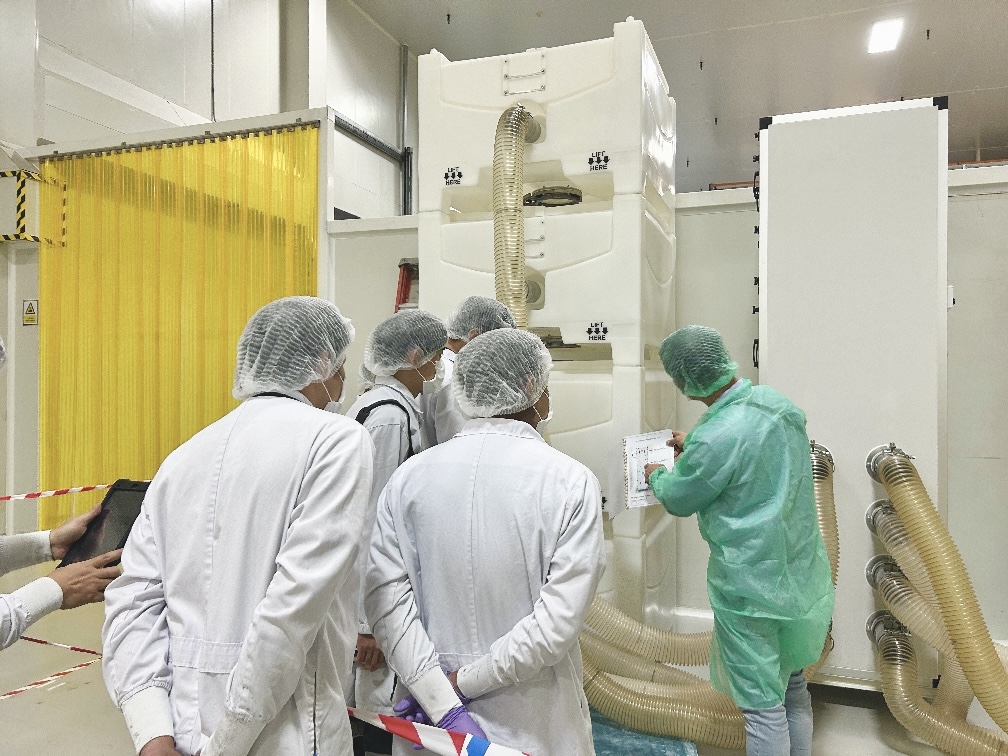
Build Smarter Climate Systems with Modern HVAC Design and Components
Creating an efficient, reliable climate control environment starts with smart planning and the right technology integration. Today’s advanced HVAC design emphasizes performance, energy savings, and occupant comfort—especially in mixed-use and commercial spaces across Bangkok, Nonthaburi, and surrounding regions. A well-executed design/build approach unifies engineering and installation into one streamlined process, reducing delays and ensuring alignment with building specifications. Key components such as Variable Refrigerant Flow (VRF) systems offer zoned temperature control with minimal energy loss, ideal for high-density urban developments. Chillers, both air- and water-cooled, deliver scalable cooling power for mid- to large-scale facilities. Meanwhile, proper ventilation systems—including energy recovery ventilators—help maintain indoor air quality while minimizing thermal loss. Pair these with smart controls and building automation platforms, and you gain remote monitoring, predictive maintenance alerts, and adaptive scheduling that respond to actual usage patterns. When planning your next retrofit or new installation, consider these best practices:
- Audit current system performance and energy usage
- Prioritize right-sized equipment to avoid inefficiencies
- Integrate smart sensors and control interfaces
- Ensure regular maintenance access in system layout
By combining proven engineering principles with next-gen technology, building managers and developers can reduce overhead, meet green standards, and future-proof their properties.
Keep Your Building Running Smoothly: Expert Installation, Maintenance & Support
Maximizing efficiency and comfort in commercial and residential properties starts with professional climate control service. From initial system installation to ongoing maintenance and emergency support, a well-maintained HVAC system ensures consistent performance, lowers energy costs, and extends equipment life. Seasonal shifts in Nonthaburi and surrounding areas place added demand on heating and cooling units, making proactive care essential year-round.
Proper installation begins with a detailed load calculation to match unit size with building requirements—avoiding undersized units that strain to keep up or oversized systems that short cycle and waste energy. Technicians should follow manufacturer specifications and local building codes to ensure safe, compliant setups.
Routine preventive maintenance is just as critical. Scheduling biannual checkups helps detect minor issues—like refrigerant leaks, worn belts, or dirty coils—before they lead to costly breakdowns. Key maintenance steps include:
- Inspecting and cleaning condenser and evaporator coils
- Checking electrical connections and thermostat calibration
- Replacing air filters and flushing drain lines
When issues arise, timely technical support minimizes downtime. Look for providers offering responsive diagnostics, clear communication, and same- or next-day service for urgent concerns. Whether you manage a retail space in Bangkruai or a multi-unit residential complex, a full-service climate care plan keeps indoor environments healthy, efficient, and compliant with comfort standards.
What Real Users Say About Their Climate Control Experience
When selecting a climate control solution, real-world feedback matters. Based on customer insights from users across residential and commercial sectors—particularly in regions like Nonthaburi and surrounding urban centers—here are seven recurring themes that shape satisfaction:
- Reliable Performance in High Heat and Humidity Residents in tropical climates often prioritize systems that maintain consistent cooling despite fluctuating humidity. Many highlight the importance of properly sized units and advanced dehumidification controls that prevent mold and improve indoor air quality without overworking the system.
- Energy Efficiency That Delivers on Promises Customers appreciate units with inverter-driven compressors and smart thermostats that reduce long-term utility costs. The most praised installations include energy load calculations done upfront, ensuring equipment runs efficiently without unnecessary cycling.
- Minimal Disruption During Installation Feedback often points to seamless integration with existing structures. Technicians who take care to protect interiors, manage debris, and complete setup within estimated timeframes receive consistent praise, especially in retrofit scenarios.
- Responsive and Knowledgeable Support Teams Whether scheduling maintenance or troubleshooting an issue, timely access to trained technicians increases user confidence. Many emphasize the value of clear communication and remote diagnostics that reduce service wait times.
- Quiet Operation for Homes and Offices Noise levels matter, especially in densely populated areas. Units designed with sound-dampening features and properly installed ductwork make a noticeable difference in comfort.
- Long-Term Durability with Low Maintenance Corrosion-resistant components and sealed outdoor units perform better in humid environments. Regular filter changes and annual checkups are seen as manageable when systems are built for longevity.
- Smart Controls That Are Actually User-Friendly Intuitive interfaces—especially mobile-compatible thermostats—allow users to adjust settings remotely and monitor energy use. The best systems balance advanced features with simplicity, minimizing setup frustration.
Frequently Asked Questions About Climate Control Systems
Homeowners and facility managers often have pressing questions when considering advanced climate control solutions. Understanding how modern systems operate, integrate, and perform over time helps make informed decisions that enhance comfort and efficiency.
How do smart climate control systems improve energy efficiency? Smart thermostats and zoned HVAC setups learn usage patterns and adjust temperatures automatically. By reducing runtime in unoccupied areas and optimizing heating or cooling cycles, these systems can significantly lower energy consumption—especially in larger homes or commercial spaces across regions like Nonthaburi and Bangkruai.
What’s involved in the installation process? Professional installation typically includes a site assessment, ductwork evaluation (if applicable), and integration with existing electrical systems. Technicians ensure proper calibration of sensors and thermostats, with most residential setups completed in one to two days.
Are ductless mini-split systems suitable for older buildings? Yes. These systems require only a small wall bore for refrigerant lines, avoiding major renovation. They’re ideal for heritage structures where traditional ducting isn’t feasible.
How often should climate control systems be serviced? Biannual maintenance—once before the cooling season and once before heating—keeps systems running efficiently and can prevent costly repairs.
Can I control my system remotely? Most modern units offer Wi-Fi connectivity, allowing remote access via smartphone apps for real-time adjustments.
What kind of support is available after installation? Reliable providers offer ongoing technical support, troubleshooting assistance, and maintenance scheduling to ensure long-term performance.
Your Path to Smarter Climate Control Starts Here
Choosing the right climate control system isn’t just about comfort—it’s about long-term efficiency, indoor air quality, and reducing operational costs across residential and commercial spaces. As modern systems evolve with smart zoning, variable-speed compressors, and advanced filtration, understanding your options becomes critical to making informed decisions. From assessing proper system sizing to integrating eco-friendly technologies, the right choices directly impact energy usage and occupant well-being—especially in regions with high humidity or extreme seasonal shifts.
Key takeaways include selecting energy-efficient models that match your space’s load requirements, prioritizing systems with scalable controls for precision climate management, and scheduling routine maintenance to sustain performance. Don’t overlook the importance of proper installation and duct design, which can make or break even the most advanced units. For those in Nonthaburi, Bangkok, and surrounding areas, local environmental factors like urban heat retention and monsoon moisture levels further influence optimal system selection.
If you’re ready to evaluate your current setup or plan a new installation, the next step is to consult with qualified professionals who understand regional demands and technical best practices. Get personalized guidance tailored to your building’s unique needs—explore expert insights and take control of your indoor environment today.


