

Nantier Climate Control Solutions: Systems and Use Cases
Mastering Climate Control in Diverse Environments
Extreme temperatures and fluctuating humidity levels cost businesses millions annually in energy waste, equipment damage, and reduced occupant comfort—especially across Southeast Asia’s tropical climates. In regions like Nonthaburi and surrounding areas of Thailand, where heat and moisture persist year-round, standard HVAC systems often fall short. The real challenge? No two environments have identical climate control needs. Whether managing a manufacturing facility in Bangkruai, a retail space in an urban center, or a climate-sensitive storage unit, one-size-fits-all solutions lead to inefficiency and inflated operational costs.
This guide explores how tailored climate control systems address the unique demands of various settings. You’ll learn why system customization improves energy efficiency, extends equipment lifespan, and ensures consistent indoor air quality. We’ll cover key variables such as space utilization, building insulation, occupancy patterns, and ambient weather conditions that influence system performance.
From humidity-prone industrial zones to temperature-sensitive commercial environments, discover the core principles behind designing adaptive climate solutions. You’ll gain actionable insights into selecting the right system types, optimizing airflow, and integrating smart controls for better responsiveness—all while aligning with local environmental conditions and energy standards.
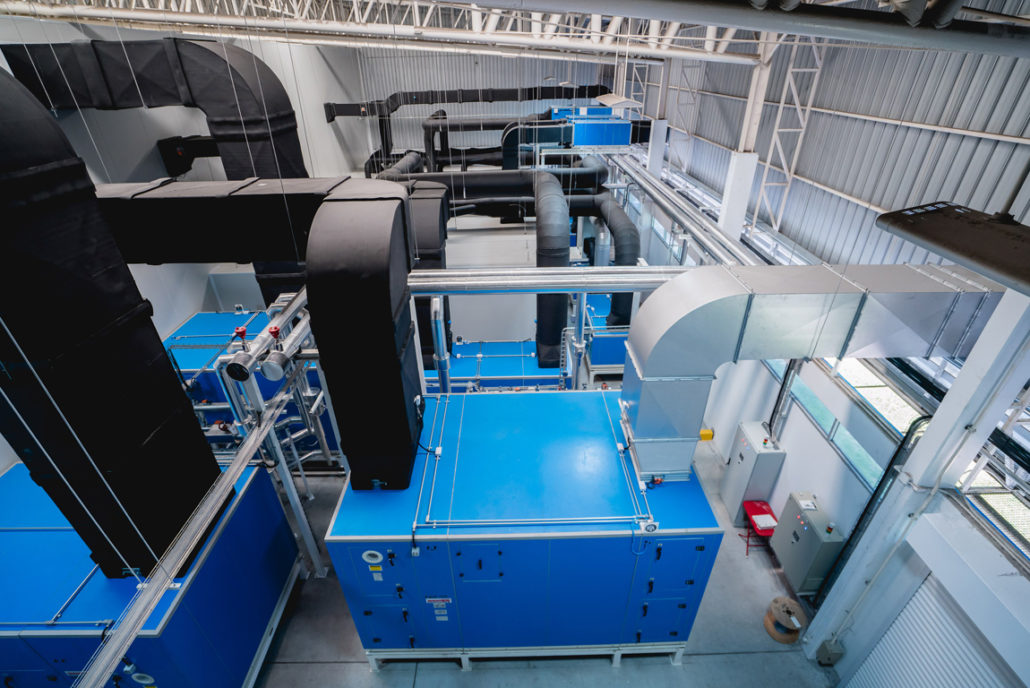
Smart Comfort, Seamless Performance: How Modern Cooling Systems Optimize Indoor Climates
Maintaining consistent indoor comfort is no longer a luxury—it’s a necessity for health, productivity, and energy efficiency, especially in regions with high heat and humidity like Nonthaburi and surrounding areas. Today’s advanced comfort cooling systems do more than lower temperatures; they intelligently regulate airflow, humidity, and thermal balance across residential and commercial spaces. These systems utilize precision sensors and programmable logic controllers (PLCs) to monitor real-time environmental conditions, adjusting output to sustain target temperatures without overworking components.
Key benefits of a well-designed cooling system include:
- Improved indoor air quality through integrated filtration and proper ventilation
- Reduced energy consumption by leveraging variable-speed compressors and zone-based control
- Extended equipment lifespan due to balanced operational loads and preventive diagnostics
- Greater user control via smart thermostats and mobile-accessible management platforms
For optimal performance, regular maintenance such as coil cleaning, refrigerant level checks, and duct inspections is essential. In tropical climates, oversizing units is a common error—correctly sized systems run more efficiently and remove moisture more effectively. By focusing on load calculations, proper installation, and usage patterns, property owners can achieve stable, whisper-quiet cooling that adapts seamlessly to daily demands.
Breathe Easier: How Smart Ventilation Systems Transform Indoor Air Quality
Maintaining healthy indoor air isn’t just about comfort—it’s a critical factor in occupant well-being, productivity, and long-term building performance. In regions like Nonthaburi and throughout Thailand’s tropical climate, high humidity and urban pollution can compromise air quality, making effective ventilation essential. Modern ventilation solutions go beyond simple airflow—they actively manage air exchange, filter contaminants, and regulate moisture to create balanced, breathable environments.
Strategic ventilation systems utilize energy recovery ventilators (ERVs) and heat recovery ventilators (HRVs) to introduce fresh outdoor air while minimizing energy loss. These systems continuously expel stale air from high-moisture areas like kitchens and bathrooms, replacing it with filtered outdoor air in living and working zones. For commercial and residential buildings in humid zones, integrating demand-controlled ventilation ensures airflow adjusts based on occupancy and air quality sensors, improving efficiency.
Key benefits include:
- Reduced airborne pollutants such as CO2, VOCs, and allergens
- Lower risk of mold growth through consistent humidity management
- Improved thermal comfort without over-relying on air conditioning
Property owners in Bangkruai and surrounding areas can enhance indoor air quality by conducting regular HVAC inspections, upgrading to high-efficiency particulate air (HEPA) filters, and consulting with local climate control specialists to design a balanced ventilation strategy tailored to their building’s footprint and usage patterns.
Mastering Indoor Environments: How Climate Control Systems Work Behind the Scenes
Modern facilities—from manufacturing plants in Bangkruai to climate-sensitive labs in Nonthaburi—rely on advanced control systems to maintain optimal indoor conditions. These systems integrate sensors, actuators, and programmable logic controllers (PLCs) to automate heating, cooling, humidity, and airflow, ensuring stable environments with minimal human intervention.
Unlike basic thermostats, today’s climate control solutions use feedback loops to continuously monitor conditions and make real-time adjustments. For example:
- Temperature sensors trigger chillers or heaters when thresholds are breached
- Humidity controllers activate dehumidifiers in high-moisture environments
- CO₂ monitors regulate ventilation rates in densely occupied spaces
Such precision is critical in settings like pharmaceutical storage, food processing, or data centers, where even slight deviations can compromise safety, efficiency, or compliance. In tropical regions like Thailand, where ambient heat and humidity fluctuate daily, adaptive control logic prevents system overloads and reduces energy waste.
Zoning strategies further enhance performance—allowing different areas of a facility to maintain distinct climate profiles based on use. Integration with building management systems (BMS) enables remote monitoring, predictive maintenance alerts, and data logging for audit purposes.
To maximize ROI, facility managers should prioritize scalable architectures that support future expansions or retrofits. Choosing systems with intuitive interfaces and local support availability—especially in industrial zones across Nonthaburi Province—ensures faster troubleshooting and minimized downtime.
Smart Retrofitting: Modernizing Legacy Climate Control Systems
Upgrading older buildings with modern climate control doesn’t always require full system replacement—strategic retrofits can deliver significant energy savings, improved comfort, and reduced operational costs. For commercial and residential properties across Bangkok, Nonthaburi, and surrounding regions, retrofitting presents a cost-effective path to sustainability without disrupting existing infrastructure.
Key retrofit options include upgrading thermostats to smart, programmable models that learn occupancy patterns and adjust settings automatically. Replacing outdated compressors with inverter-driven units can slash energy consumption by up to 30%, while maintaining consistent indoor temperatures. Ductwork improvements—such as sealing leaks and adding insulation—enhance airflow efficiency and prevent conditioned air loss, especially in older constructions where thermal performance degrades over time.
Another impactful upgrade is integrating building automation systems (BAS) that centralize HVAC control, allowing for real-time monitoring, scheduling, and fault detection. These systems are ideal for multi-zone environments like offices, schools, and mixed-use buildings in urban Thailand.
Finally, consider adding energy recovery ventilators (ERVs) to improve indoor air quality while minimizing load on cooling systems. With proper retrofit planning, existing systems can achieve near-new levels of performance, compliance, and comfort—making them smarter, leaner, and ready for the future.
Frequently Asked Questions About Climate Control Systems
What types of climate control systems are best suited for commercial buildings? Commercial properties often require scalable, energy-efficient solutions like variable refrigerant flow (VRF) systems or rooftop units. These systems support zoned temperature control, allowing different areas of a building to maintain unique settings based on usage, occupancy, or sun exposure. Proper load calculations and ductwork design are essential to maximize efficiency and occupant comfort, especially in large office complexes, retail spaces, or mixed-use developments in urban environments.
How long does a typical installation take? Installation time varies based on system type and property size. Simple split-system setups may take 1–2 days, while complex multi-zone or ducted systems for larger facilities can take a week or more. Site preparation, including electrical upgrades and permitting, can also influence the overall timeline, particularly in older buildings in areas like Bangkruai or Nonthaburi.
Is regular maintenance necessary, and what does it involve? Yes—routine maintenance prevents breakdowns and extends system life. Tasks include filter replacement, coil cleaning, refrigerant level checks, and thermostat calibration. Scheduling bi-annual inspections ensures peak performance, especially before seasonal extremes.
What support is available if a system fails? Many providers offer 24/7 emergency repair services with rapid response times, minimizing downtime for businesses and homeowners alike.
Can climate systems be integrated with smart building technology? Absolutely. Modern systems support integration with building automation platforms for remote monitoring, scheduling, and energy reporting via mobile apps.
Are there energy-saving incentives available locally? Some regions offer rebates or tax benefits for installing high-efficiency units. Check with local utility providers for available programs.
What should I do if my system isn’t cooling evenly? Uneven cooling may indicate duct leaks, improper zoning, or low refrigerant. A professional assessment can diagnose airflow imbalances and adjust system settings or components accordingly.
Smart Climate Control for Every Environment: What You Need to Know
Choosing the right climate control system isn’t just about comfort—it’s about efficiency, productivity, and long-term savings across homes, offices, and industrial facilities. Advanced solutions today go beyond basic heating and cooling by integrating intelligent zoning, energy recovery, and real-time environmental monitoring. For residential spaces, consistent temperature regulation enhances indoor air quality and reduces energy waste, especially in regions with fluctuating weather patterns like Nonthaburi and surrounding areas in Thailand. In office environments, maintaining optimal thermal conditions supports focus, comfort, and employee well-being, directly influencing workplace performance. Factories and production facilities, on the other hand, require robust systems capable of managing large air volumes, controlling humidity, and supporting specialized processes.
Key considerations include:
- Scalability to match building size and usage
- Energy efficiency ratings that impact operational costs
- Smart integration with building management systems
- Local climate adaptation for tropical or high-humidity regions
If you’re evaluating your current setup, start by conducting an energy audit and identifying thermal comfort pain points. Explore systems that offer modular design and remote monitoring for greater control. For those in Bangkruai and nearby industrial zones, localized expertise can help tailor solutions that align with regional demands. Take the next step: assess your space, consult with technical specialists, and invest in a system that delivers lasting value.


